Health
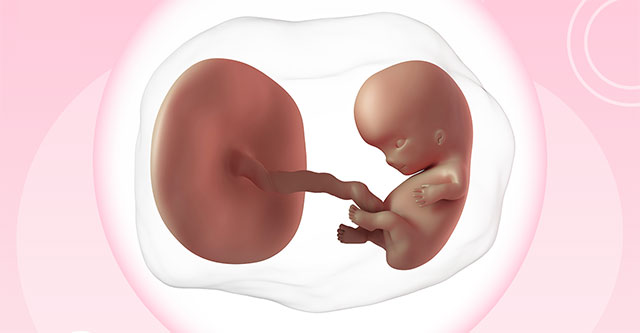
Chinese scientists built a 3D model of a 2-3 week old human embryo
Scientists have studied the activity of signaling pathways along the embryonic axis to understand more about miscarriages and embryonic disorders in the early stages of…
Browse ScienceInfo articles and explainers related to Human Embryo.
21 published items.
Scientists have studied the activity of signaling pathways along the embryonic axis to understand more about miscarriages and embryonic disorders in the early stages of…
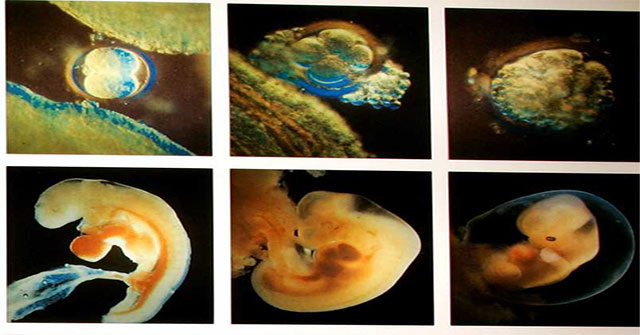
With this new device, biologists will have an extra 'powerful' power.
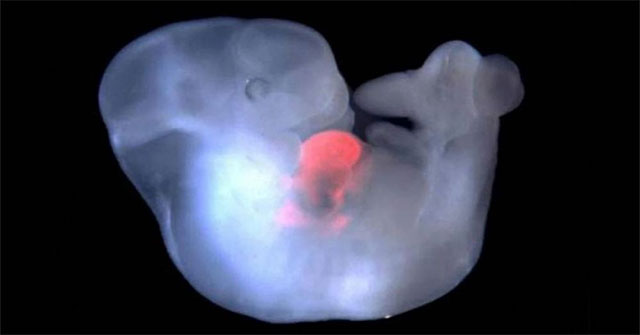
Juan Carlos Izpis' group of researchers introduced embryonic stem cells into monkeys in a Chinese study to find ways to feed transplants.
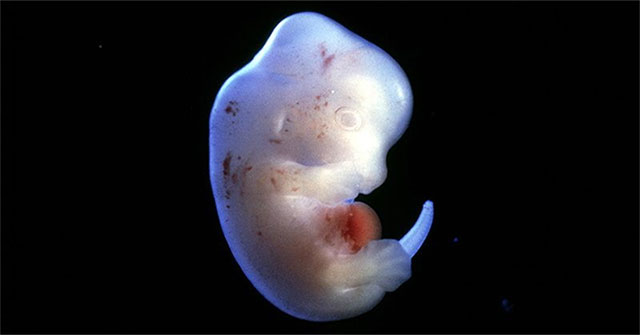
This experiment opens up a new future of abundant organ transplants, but moral issues are still controversial despite the Japanese government's permission.
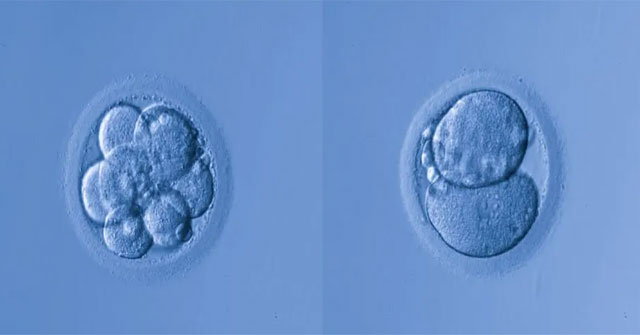
Scientist Denis Rebrikov intends to correct the embryonic gene to prevent children from inheriting their parents' deafness. Denis Rebrikov said that five Russian couples…
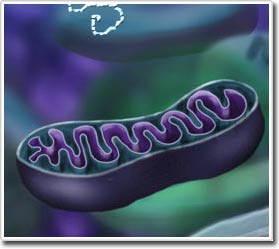
British scientists have created human embryos containing DNA from 2 women and 1 man, a potentially progressive process to prevent cases such as epilepsy, diabetes and he…

American experts have shocked the scientific community by claiming to successfully clone the monkey embryo and produce stem cells from this embryo. This is considered a…
Scientists from the United States have discovered a new way to nourish stem cells, suggesting that this may be a circular pathway involving antiparticles.

Green light has been turned on for British scientists in creating human embryos containing genetic material taken from two women. This turning point will open the prospe…
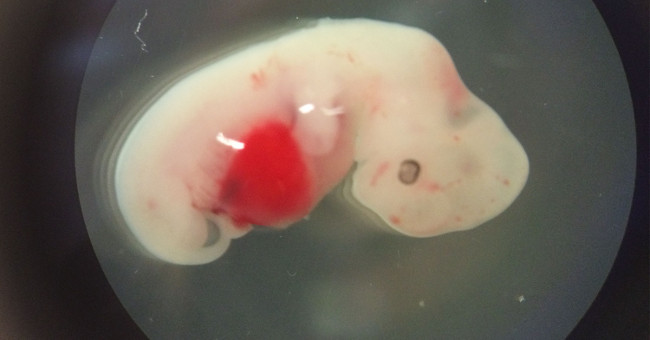
Scientists claim to create a successful hybrid - a second animal based on a controversial breakthrough in 2017, according to National Geographic.

Mitalipov and colleagues used CRISPR technology to quickly and effectively modify genes.
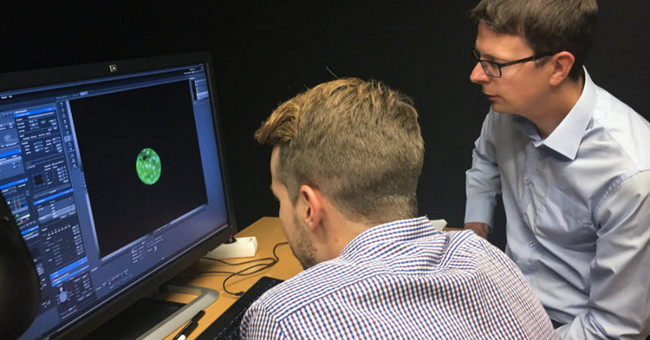
Fredrik Lanner, a Swedish scientist last week, sparked a wave of controversy when interfering with the genetic information of a healthy human embryo.
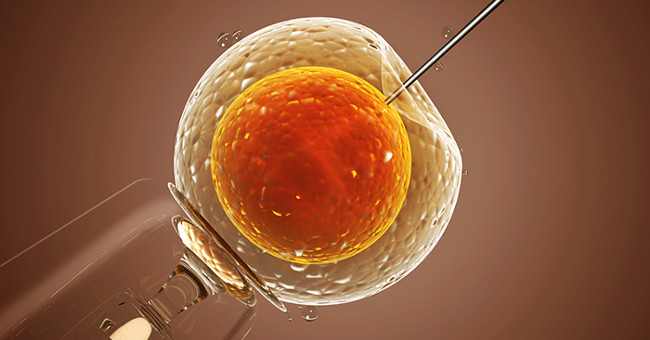
The decision of the British government and HFEA was enthusiastically responded by the scientists in the country, who considered it a great victory of science.
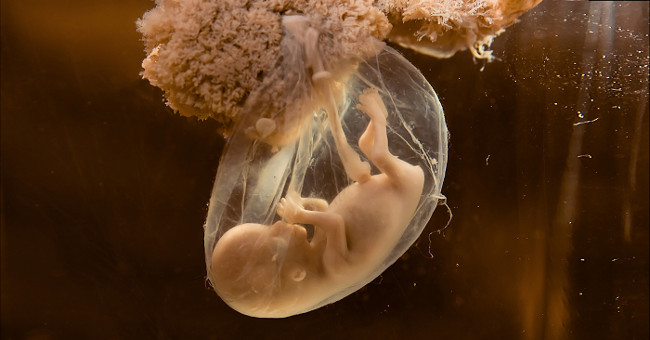
Have you ever wondered why our arms, legs or hearts are in that position, not elsewhere?
Children born from artificial wombs, older women can become pregnant, human embryos will become familiar and no longer a major moral issue in 30 years, some experts pred…